This is a communication and team building exercise designed to foster thought about how we all communicate and how we approach shared goals and similar tasks. For each task section, it is recommended to explain the general outline of how the task will proceed. Do not explain what the learning objectives are. There is room in this explanation to modify or create your own learning objectives to fit your specific team or group.
What you need:
-
Pens, markers, or other writing utensils – enough for the group
-
Paper – enough for each person to have three sheets
-
Dice – one normal, and one labeled with L or R. Alternatively, you can just come up with a rotation on your own for passing and just keep track.
To Start:
-
All participants get three sheets of paper.
-
Ask them to write their number (or other identifier) on all four corners on both sides of the paper. ONLY the identifier.
-
Make notes of anyone that talks, is off-task, writing more than they are asked to write, or seems confused about the task. Repeat directions as necessary.
SECTION 1: WHAT YOU KNOW AND WHAT YOU’RE GIVEN
-
To start, each person will make 1 fold in their first sheet of paper. Only one fold, anyway they choose with the end goal in mind of making a paper airplane as best they know how.
-
The moderator will roll the dice and participants will pass their paper according to the dice. For example, rolling an L and a 3 means you pass papers 3 times to the left.
-
With the new sheet of paper, participants now make one NEW fold. Participants can unfold the paper as needed, but can only make a new fold. They cannot correct someone else’s fold.
-
Repeat 2 & 3 until everyone has a finished paper airplane in front of them.
-
Have players communicate to get their original piece of paper back. They may have to partially unfold and refold the airplane to find their number.
-
Moderator makes notes of the conversation, who struggles, who follows or doesn’t follow directions
DISCUSSION:
-
Was it difficult?
-
Did anyone fix or refold someone else’s previous fold or did anyone really want to?
- Did anyone intentionally fold the paper to try to trip someone up?
-
Do you think your airplane will fly?
-
What can be learned from this about communication and thought process?
-
Keys: Your way isn’t the only way, handle differences as they come and do what you can with the information and circumstances you are given, you can all do the same thing differently but together achieve the same end goal
SECTION 2: COMMUNICATING YOUR GOALS
-
Everyone will fold only their piece of paper with the goal of folding a paper airplane of their own
-
Each person will take a turn giving one direction/fold in the steps to make a paper airplane based on their personal understanding of how to make a paper airplane with participants folding their paper accordingly.
-
The moderator will roll the dice to determine the starting point (based on their location). For example, L and 3 would be the third person to the moderators left. You could also continue to do this throughout is your prefer.
-
Starting at this person, they will take turns clock wise around the table/room or other designated order as the moderator sees fit.
-
-
Keep going until everyone feels like they have crafted an airplane
-
Moderator take notes of the conversation, communication styles, who struggles, who follows or doesn’t follow directions
DISCUSSION:
-
Was it difficult?
-
Did you feel like you always understood the directions?
-
Did you disagree with directions given or ignore the directions given to go your own path?
-
Do you think your airplane will fly?
-
What can be learned from this about communication and thought process?
-
Keys: People communicate differently and that’s okay, everyone can know how to do something but communicate it differently and that’s not wrong, details matter, communication matters, working toward a common goal matters
SECTION 3: APPLYING INFORMATION FORWARD
-
Now that everyone knows how to make a paper airplane, we spin it on it’s head with the moderator leading the folding.
-
All participants will fold their own piece of paper according to the moderator’s directions. Recommend an advanced paper airplane design to extend things (example below), but do what is best for you and your group’s skills and needs.
-
Moderator makes note of the conversation, who struggles, who follows or doesn’t follow directions
DISCUSSION
-
Was it difficult?
-
Was it how you would fold a paper airplane? If not, did it still make an airplane?
-
Do you think it will fly?
-
Does your other knowledge of making an airplane inform your process here?
-
What can be learned from this about communication and thought process?
-
Keys: Your idea may not be their idea, but it still gets to the same goal, you can apply your knowledge forward to new tasks and requests, details matter
FURTHER DICUSION
-
What task section was the most difficult or easy?
-
Is there a plane that you think will fly better? How or why?
-
You can add a flying contest/demonstration here if you’d like
-
-
How can things be communicated better?
-
What can you learn from this experiment?
How To Make a Speed Plane
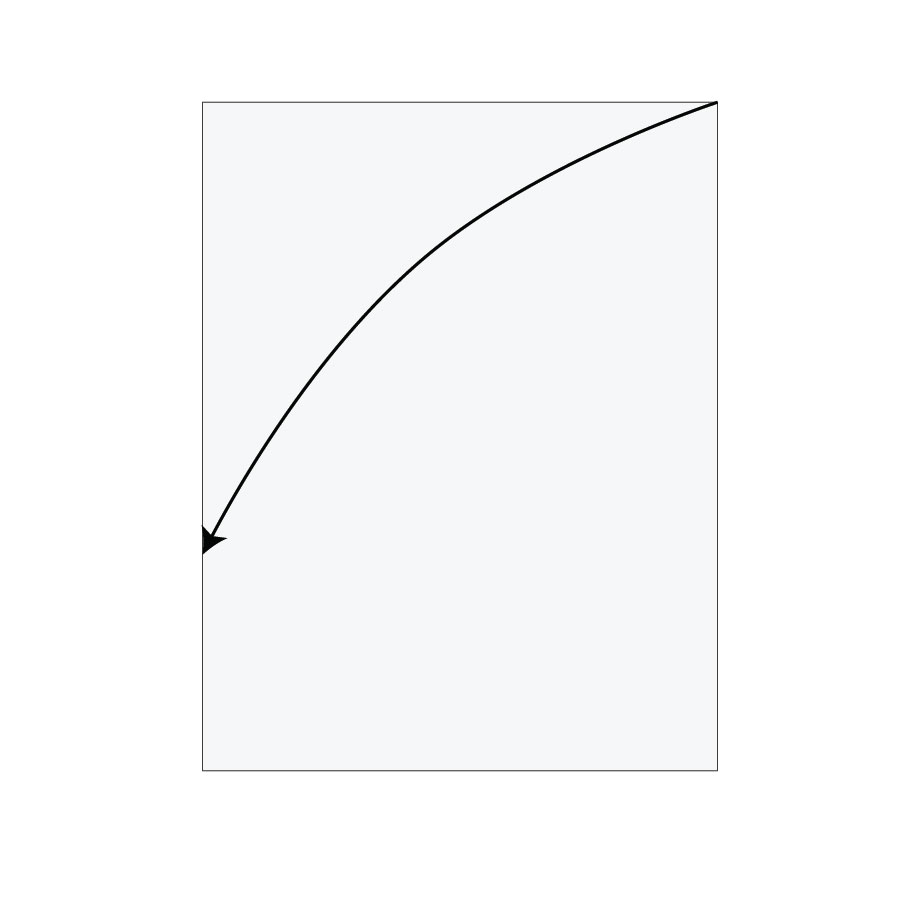
Fold corner of paper diagonally so that the short side matches up with the long side.
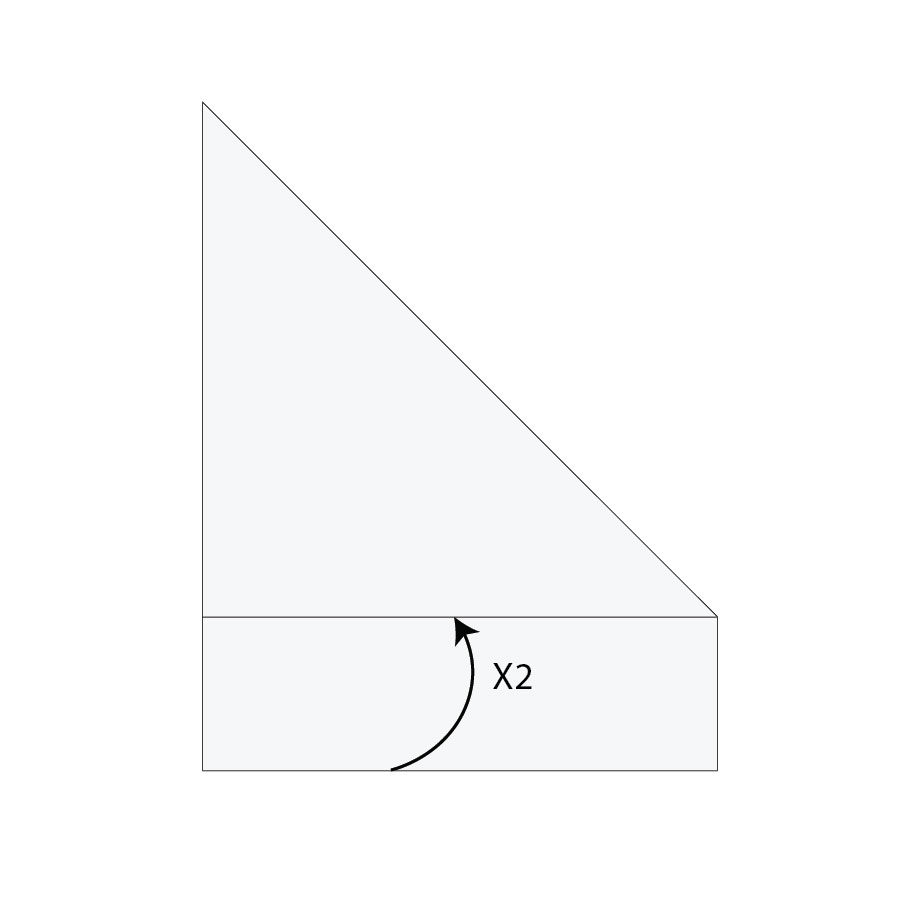
Fold bottom flap up so the crease is in line with the bottom of the other fold. Make a hard crease. Open the flap back down, flip the paper over, and fold the flap up again along the same fold line. Make another hard crease. Open the flap back down.
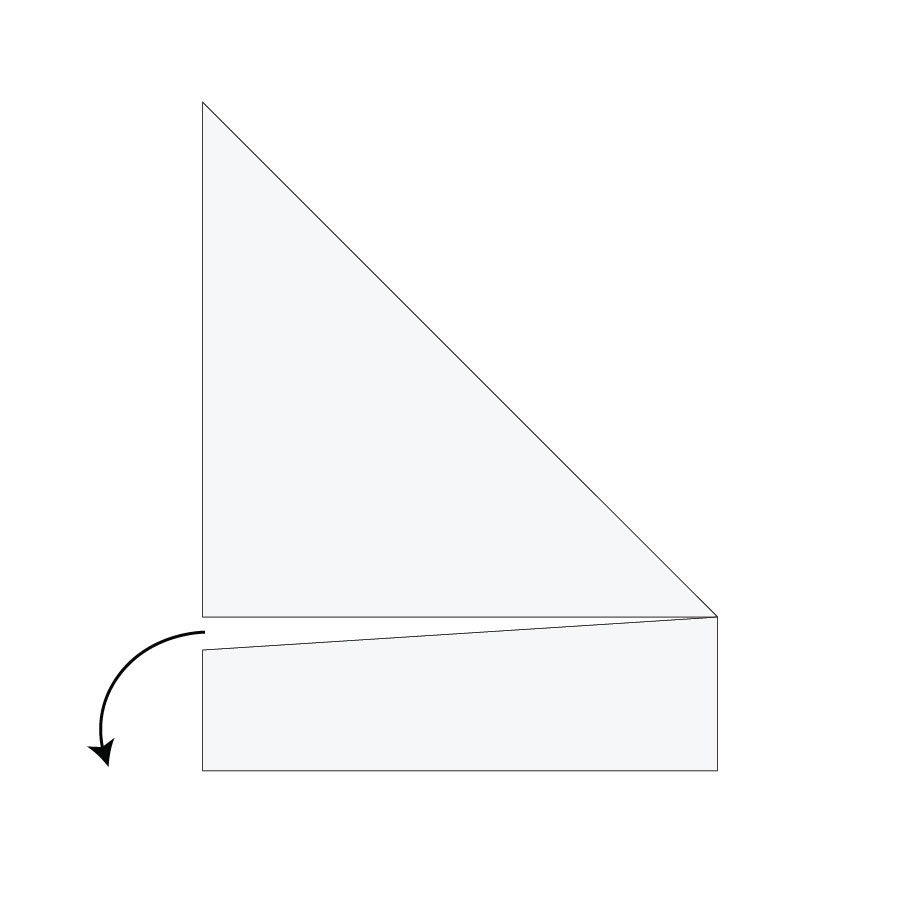
Using the edge of the table, or carefully setting the fold at a 45 degree angle, tear off the bottom flap and set it aside.
*Scissors or other cutting tool can be used cut this flap off as well.
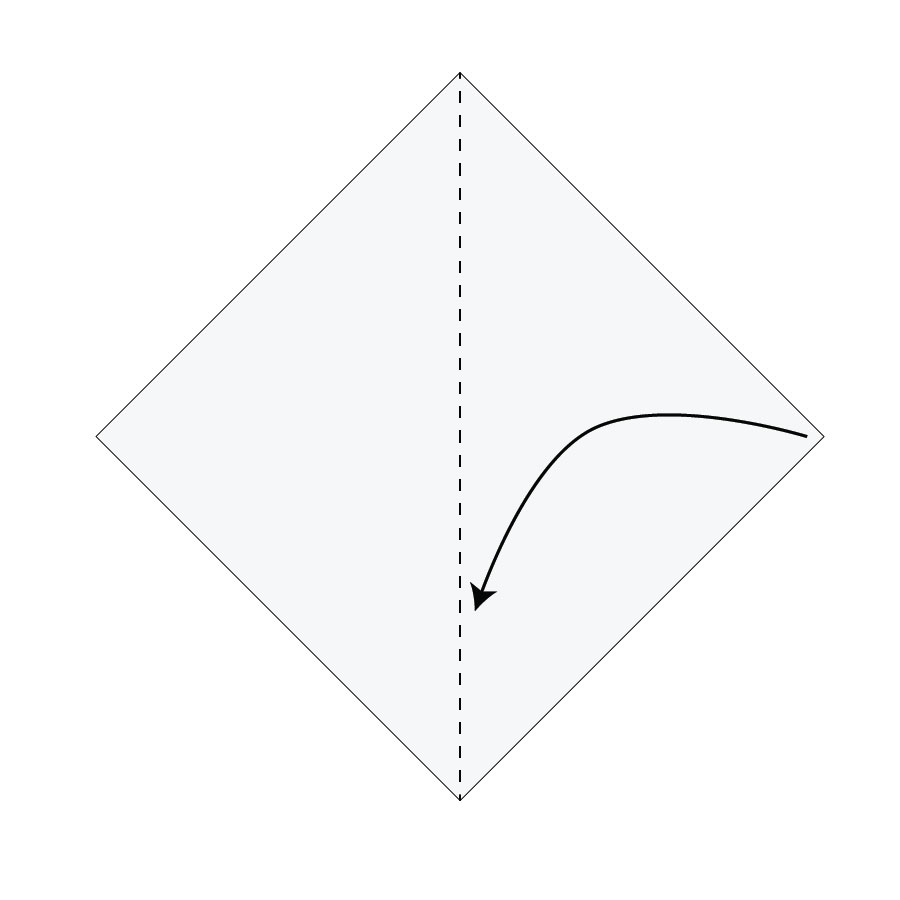
Open the remaining portion back up and rotate into a diamond. Take the right corner and fold inward so that the edge matches the inside fold.
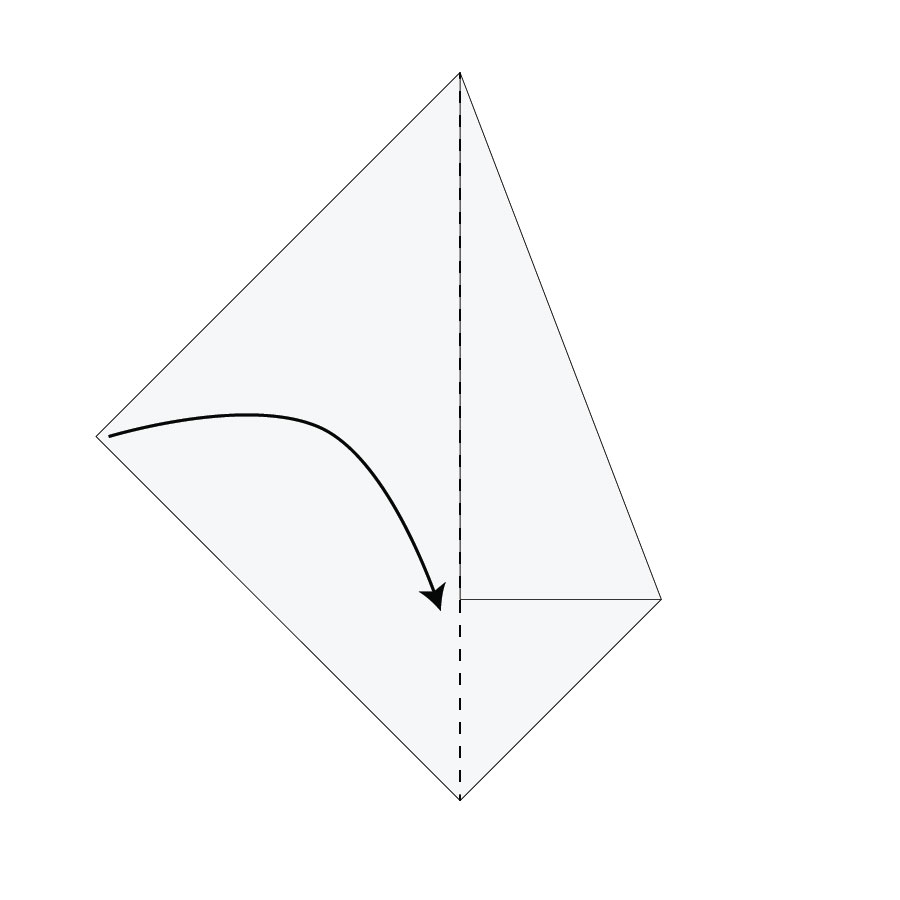
Repeat with the left side, matching the outside edge to the inside fold.
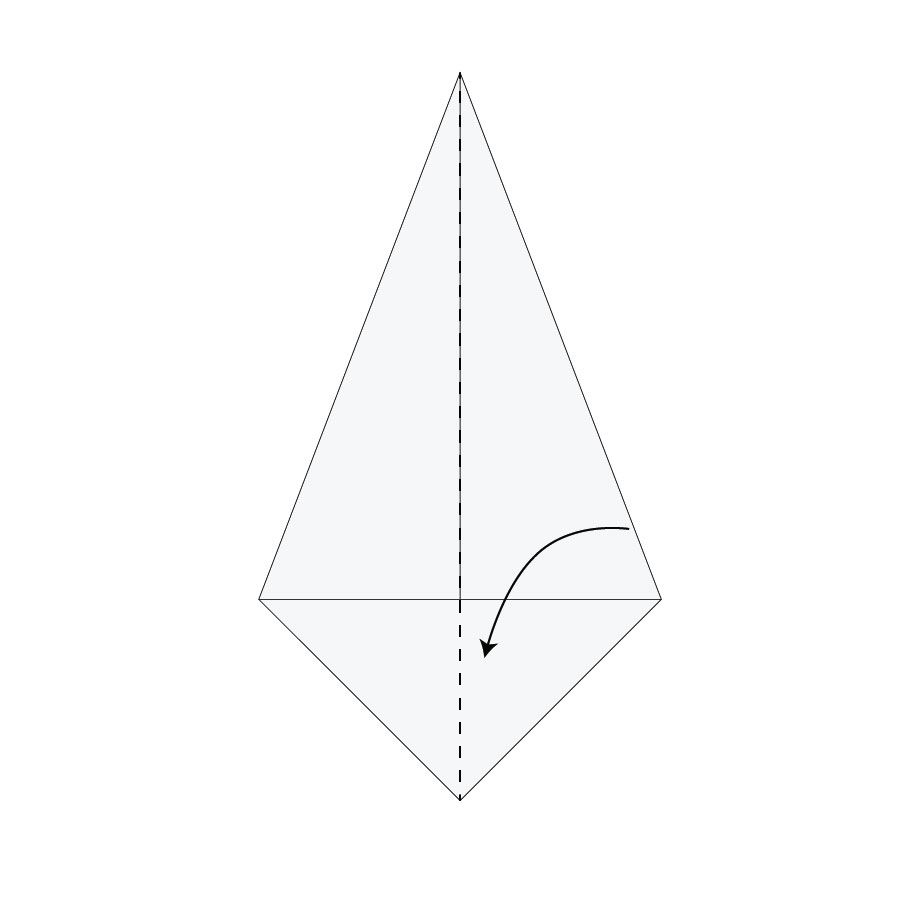
Repeat this same step again on the right side, matching the outside folded edge to the center fold.
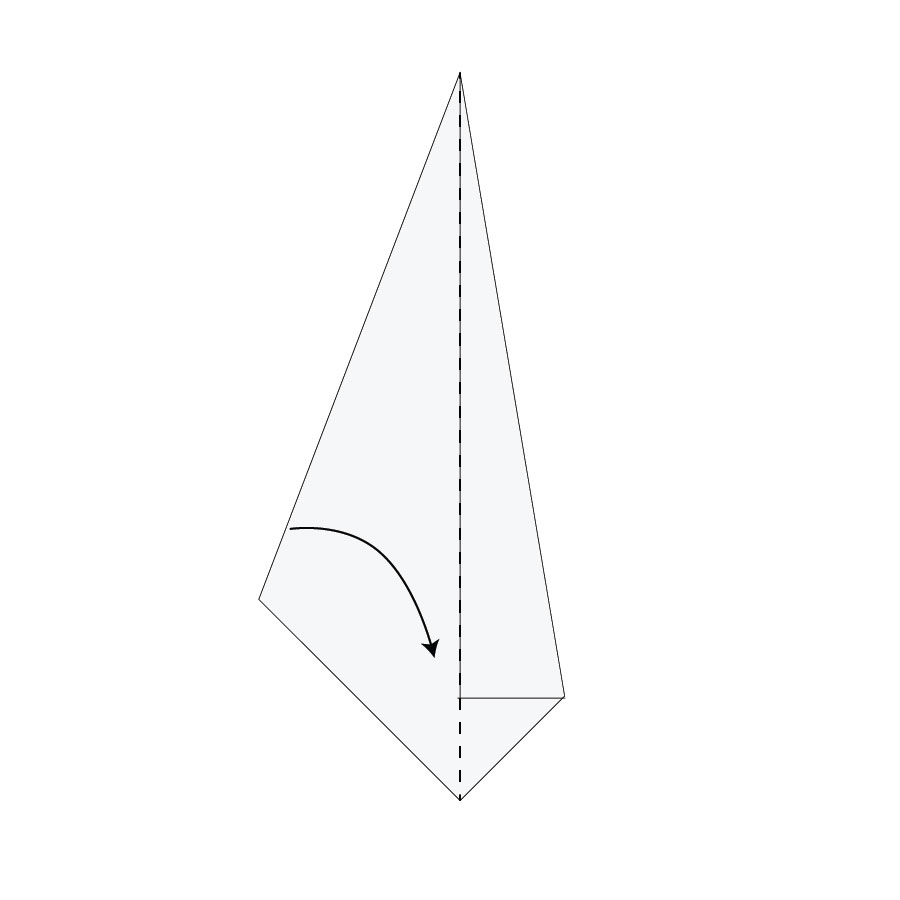
And repeat to the left side.
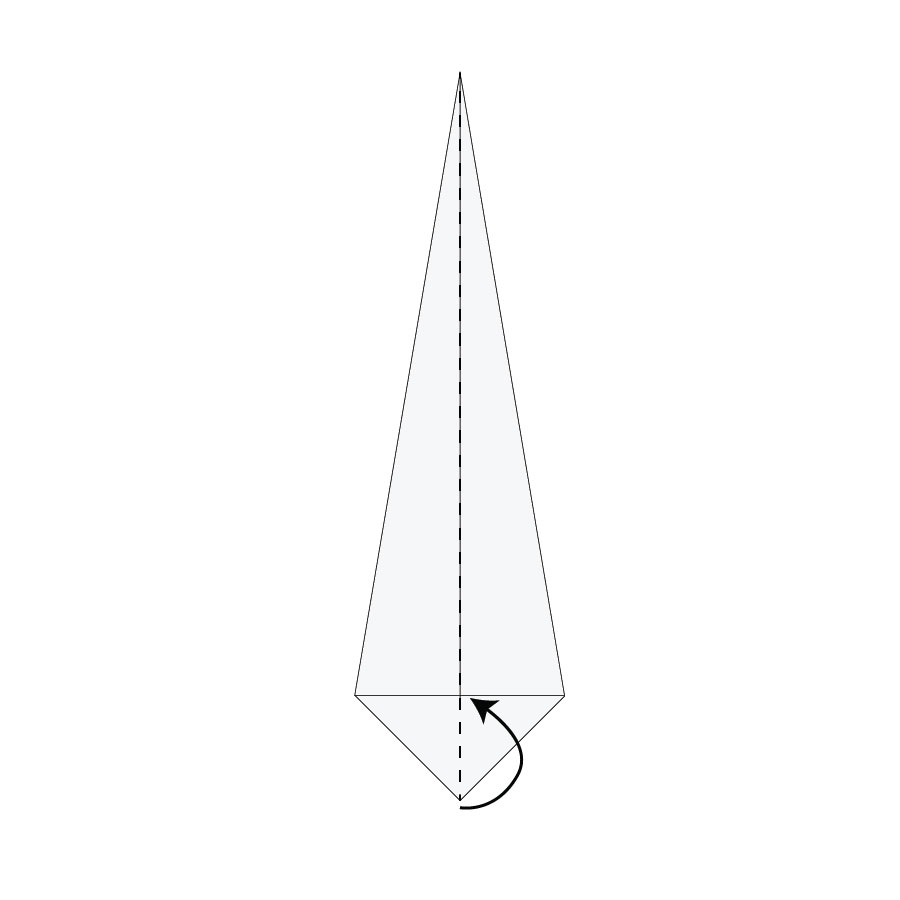
Bring the “tail” of the plane up so that the point meets the bottom edge of the side folds.
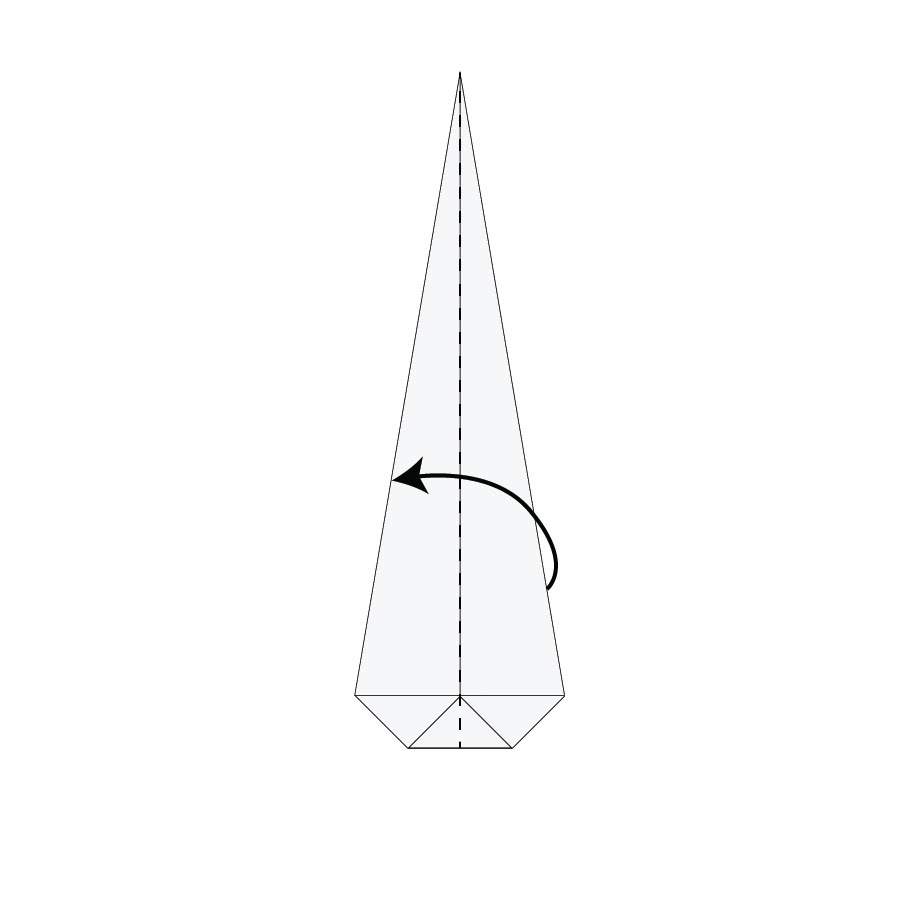
Fold the paper back in half along the center fold line.

Rotate the plane so the bottom fold is to the top and the nose of the plane is to the left.

Fold the point of the wing toward the bottom of the plane (away from you) and so that the point is touching the bottom fold and the wing fold is approximately parallel with the bottom edge of the plane.

Flip the plane left to right.

Repeat the wing fold on the other side of the plane.

Rotate the plane so it is the correct ways to fly. Smooth out or adjust any folds as needed.
Fold the point of the wing toward the bottom of the plane (away from you) and so that the point is touching the bottom fold and the wing fold is approximately parallel with the bottom edge of the plane.